
bathroom mirror with touch light
Navigating the Nuances of m3 Thread Gauge In the intricate world of precision measurement and manufacturing, the concept of an m3 thread gauge emerges as a crucial tool for quality assurance. This specialized instrument is designed to evaluate the exactness of thread dimensions in mechanical components, ensuring that they meet stringent industrial standards. An m3 thread gauge, specifically, is tailored for measuring M3 screw threads, which are commonly used in a myriad of applications from electronic devices to automotive assemblies. The 'm3' denotes the nominal diameter in millimeters of the thread, while the percentage sign (%) followed by a number often represents the tolerance level or grade of fit for the threads. The operation of an m3 thread gauge is predicated on precise fitment. It either slides onto the thread or engages with it without excessive play or resistance, acting as a veritable litmus test for thread quality. For instance, a 20-thread gauge would have specific tolerances that must be adhered to for a proper fitting. Craftsmen and engineers alike rely on these gauges to maintain consistency and reliability in their products Craftsmen and engineers alike rely on these gauges to maintain consistency and reliability in their products Craftsmen and engineers alike rely on these gauges to maintain consistency and reliability in their products Craftsmen and engineers alike rely on these gauges to maintain consistency and reliability in their products m3 thread gauge . In mass production facilities, the use of m3 thread gauges becomes even more vital, as it ensures every component meets the same high standards time after time. However, like any precision instrument, the accuracy of an m3 thread gauge itself must be periodically verified. This is achieved through calibration processes using master gauges of known accuracy, creating a hierarchy of precision that permeates down to the end product. In conclusion, the m3 thread gauge stands as a testament to the meticulous nature of modern manufacturing. It is not merely a tool but a guardian of standards, ensuring that the invisible details hidden within each threaded fastener are up to par. As technology advances and tolerances become finer, the role of such gauges becomes increasingly significant, embodying a commitment to excellence in engineering.
about
bathroom mirror with touch light
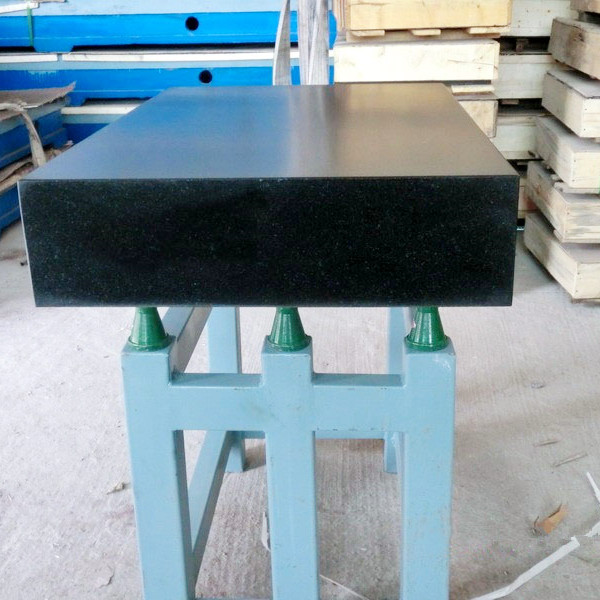
The Importance of Stone Surface Plates in Modern Metrology In the world of metrology, precision is paramount. Engineers and technicians alike understand that the accuracy of measurements can have a profound impact on product quality and performance. Among the various tools employed in this quest for precision, stone surface plates stand out as essential instruments. These flat, stable surfaces offer an unparalleled foundation for inspection, calibration, and assembly processes. What are Stone Surface Plates? Stone surface plates are flat, rigid slabs typically made from natural stone, such as granite, or high-quality synthetic materials. They are designed to provide a stable and accurate reference plane for measuring instruments. The most common application of stone surface plates is in quality control environments, including manufacturing plants and laboratories, where precise measurements are crucial. Material Considerations Granite is the preferred material for most surface plates due to its excellent properties. Its durability, resistance to wear, and ability to maintain flatness over time make it ideal for metrology applications. Additionally, granite offers thermal stability, which is crucial when working with varying temperatures in industrial settings. Unlike metal plates, granite does not expand or contract significantly with temperature changes, ensuring that measurements remain consistent and accurate. Flatness and Accuracy The primary function of a stone surface plate is to provide a flat reference surface. The flatness of these plates is measured in terms of shape tolerance, which specifies how much deviation from absolute flatness is permissible. Premium quality granite plates can achieve tolerances of just a few microns. This level of precision is essential for high-stakes applications, such as aerospace and automotive industries, where even minor inaccuracies can lead to significant consequences. Applications of Stone Surface Plates stone surface plate Stone surface plates are utilized across various industries for numerous applications. They are primarily used in 1. Inspection and Quality Control By placing components on a surface plate, inspectors can gauge their dimensions using calipers, micrometers, and height gauges. The flatness and stability of the plate ensure that measurements taken are both accurate and repeatable. 2. Calibration Surface plates are often employed as reference standards for calibrating measuring instruments. By comparing the measurements of calibration tools against the stable surface, technicians can ensure that their instruments function correctly. 3. Assembly and Machining In assembly processes, ensuring that parts fit together accurately is crucial. Stone surface plates provide a level surface where parts can be securely positioned and checked for alignment, simplifying complex assembly tasks. 4. Tool and Die Making In toolmaking, precision is vital. Surface plates provide a stable base for the manufacture and assembly of tooling components, ensuring that all parts align correctly before finalization. Maintenance and Care To ensure longevity and continued accuracy, regular maintenance of stone surface plates is crucial. Cleaning the surface with non-abrasive materials helps to avoid scratches that could affect flatness. Additionally, periodic checkups using level gauges or laser alignment tools can help detect any deviations from flatness over time. Should a plate become chipped or scratched, resurfacing may be required to restore its precision. Conclusion Stone surface plates are indispensable in the world of precision measurement and quality control. Their ability to provide a flat, stable, and durable reference surface enables manufacturers to maintain high standards of accuracy in their products. As industries continue to evolve and demand greater precision, the role of stone surface plates will only expand, underscoring their significance in modern metrology practices. By prioritizing the use of these essential tools, businesses can enhance their performance, ensure product quality, and maintain a competitive edge in today's global marketplace.
-

High quality industrial productsagement

High quality industrial products
View Details -

Meet the diverse needs of customers

Meet the diverse needs of customers
View Details -

Strict quality control

Strict quality control
View Details -

Top raw materials

Top raw materials
View Details -

Trusted supplier

Trusted supplier
View Details
Our application

news and information
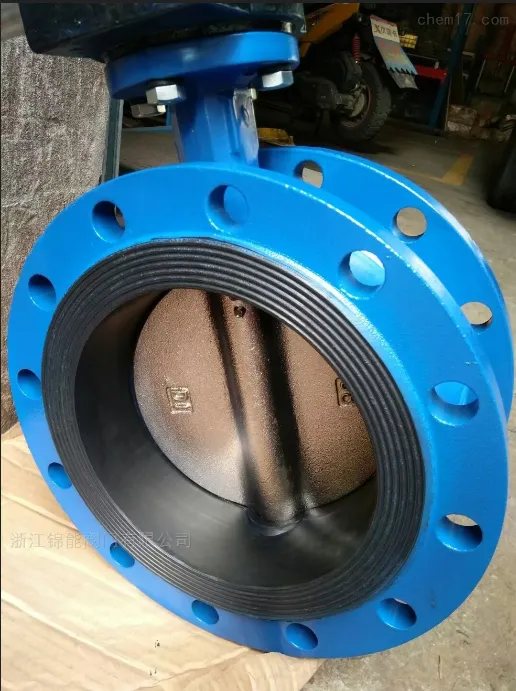
Van cầu Trung Quốc
Van cầu glob tại Trung Quốc Một cái nhìn tổng quan Van cầu glob là một loại van điều khiển lưu lượng
Water Shutoff Valve Installation and Maintenance Guide for Homeowners and Professionals
Understanding Water Shutoff Valves Importance and Functionality Water shutoff valves play a crucial
Vent cap made of plastic resembling a mushroom design for ventilation systems.
Plastic Mushroom Vent Cap An Overview Plastic mushroom vent caps are an essential component of vari
 English